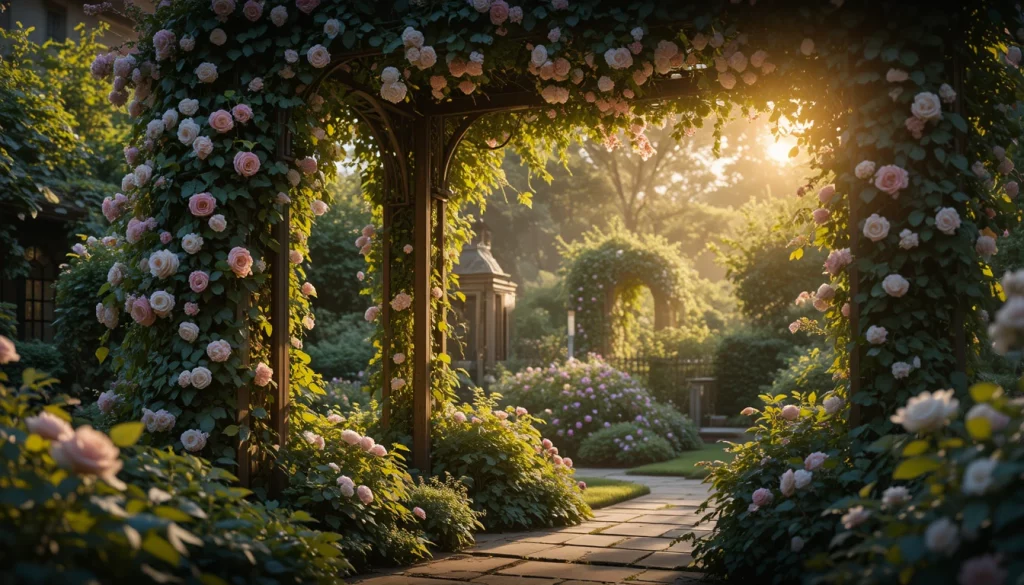
Trellis ideas for garden spaces are creative structures — made from wood, metal, bamboo, or wire — that support climbing plants while adding vertical beauty to any yard. Whether you want privacy, curb appeal, or a lush green wall, the right garden trellis can completely transform your outdoor space with minimal effort.
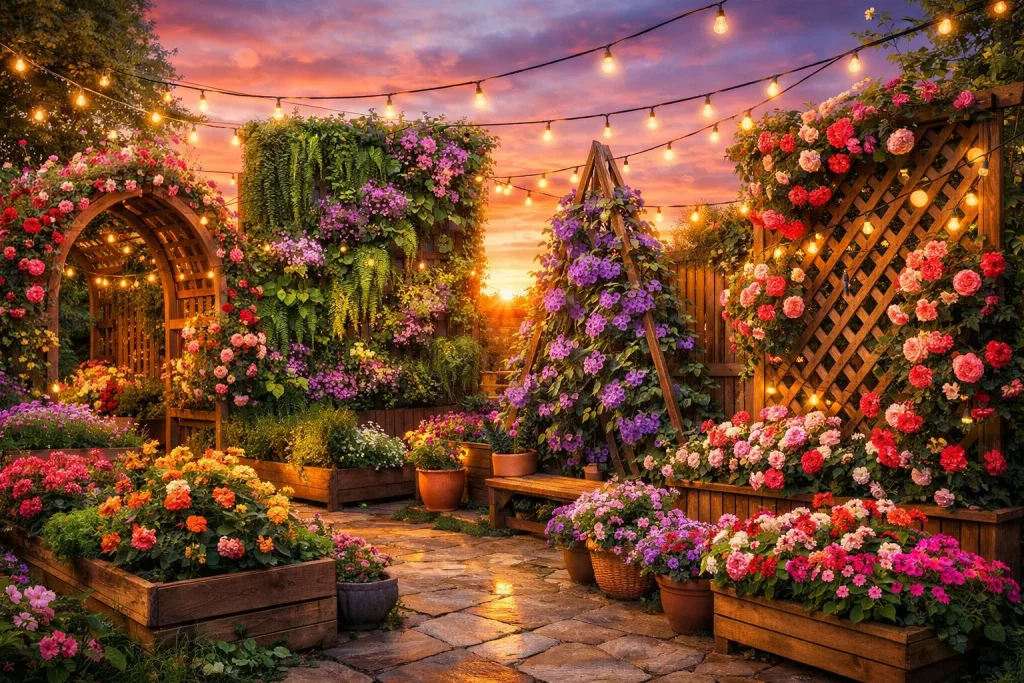
Vertical gardening is one of the fastest-growing trends in American home design — and for good reason. A beautiful trellis does more than support your roses or cucumbers. It defines spaces, creates privacy, adds architectural interest, and turns even a small backyard into something truly special. Whether you’re working with a tiny side yard or a sprawling garden, there’s a trellis design that fits perfectly.
15 Trellis Ideas for Garden to Transform Your Outdoor Space
In this guide, we’re sharing 15 of the best trellis ideas for garden outdoor spaces — from simple DIY builds to show-stopping focal points. You’ll find wooden classics, modern metal styles, clever privacy screens, and unique ideas you won’t see on every block. Let’s dig in.
01- Classic Wooden Fan Trellis for Climbing Roses
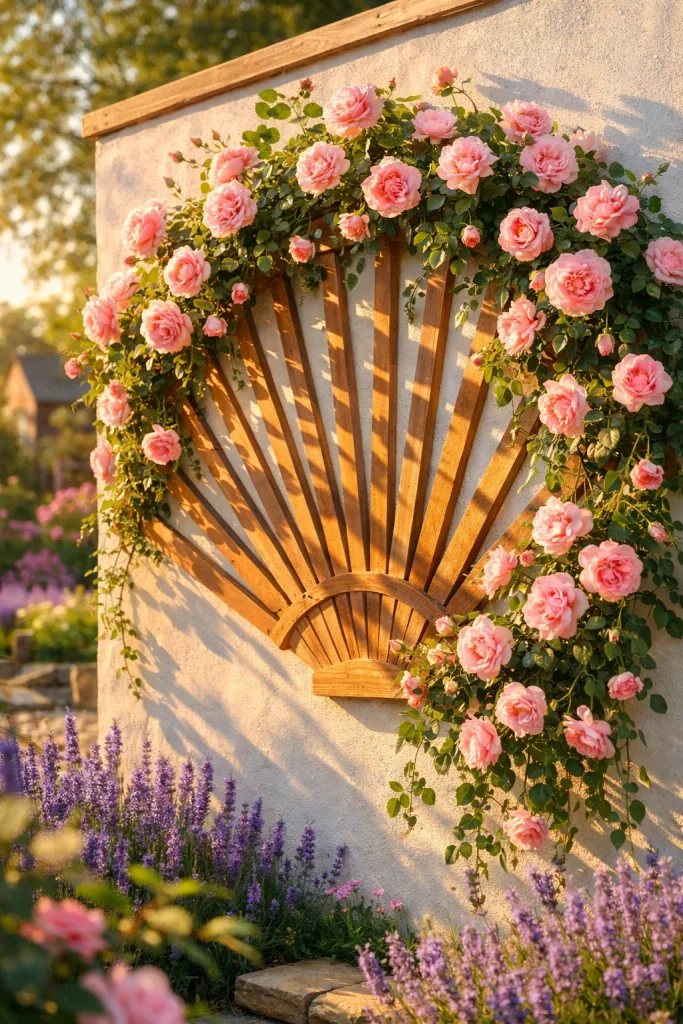
A fan-shaped wooden trellis is one of the most timeless garden trellis ideas for climbing plants like roses, jasmine, and clematis. The radiating slat pattern gives climbing vines a natural path to follow, and the shape itself becomes a sculptural feature even in winter when plants go dormant.
For durability, choose cedar or redwood — both are naturally rot-resistant and look stunning as they weather to a soft grey-brown patina. Fix your fan trellis to a south-facing fence or garden wall where it catches maximum sun, and plant a repeat-blooming rose at its base for non-stop color from May through frost.
🌿Expert tip: Space the trellis slats 4–6 inches apart so vines can weave through naturally without being forced. Tighter spacing restricts airflow and can encourage fungal disease on roses.
02- Tall Privacy Trellis Panel Along the Fence Line
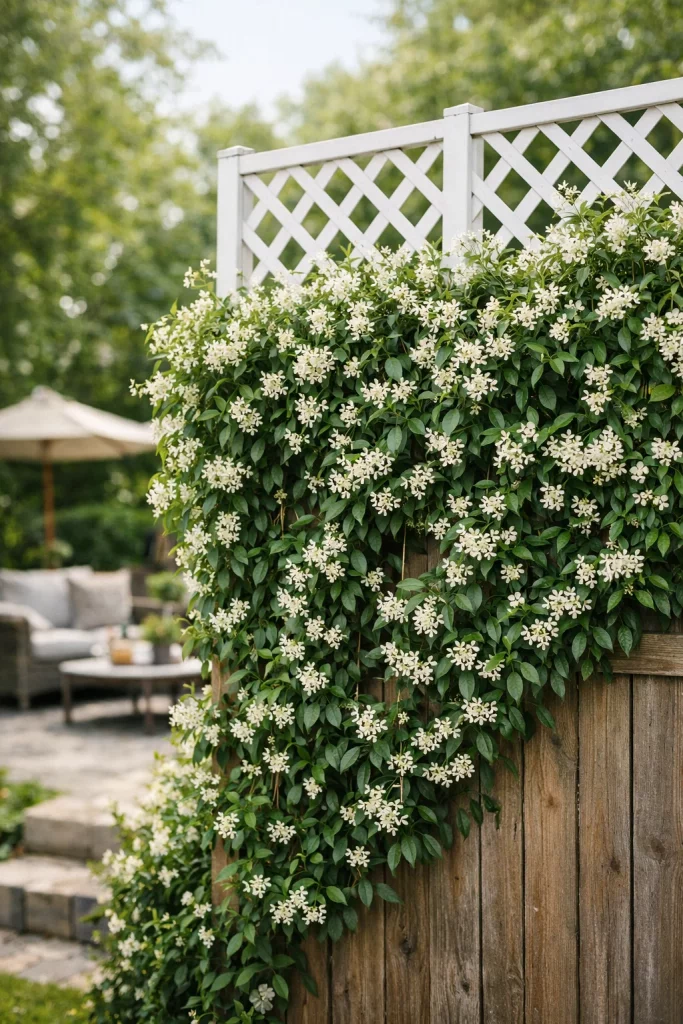
One of the smartest trellis ideas for privacy is installing lattice-topped fence panels along your property line. This solution adds 2–3 feet of height to an existing fence without requiring a full fence replacement — a huge cost saver. Once covered with fast-growing climbing plants like Virginia creeper or wisteria, you get a dense living wall that feels far more natural than a solid wooden board fence.
For the best screening effect, pair privacy trellis panels with evergreen climbers like star jasmine (Trachelospermum jasminoides) in warmer climates, or English ivy in cooler zones. You’ll have year-round coverage and the bonus of sweet fragrance drifting through your yard on summer evenings.
🌿Expert tip: Use pressure-treated posts for the privacy trellis frames — they’ll last 20+ years in ground contact, while untreated wood can rot within 5 years in moist soil.
03- Modern Black Metal Grid Trellis
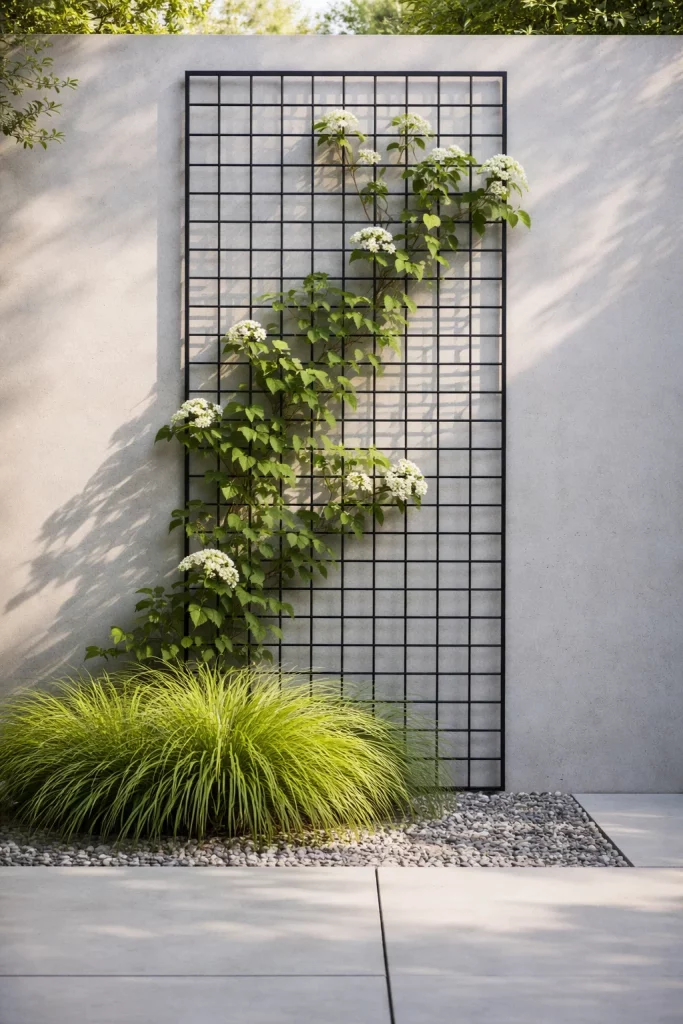
If you love clean lines and contemporary style, modern trellis ideas using powder-coated black metal grids are absolutely having a moment in 2026. A flat metal grid panel — whether freestanding or wall-mounted — creates a striking graphic backdrop that looks as good bare in winter as it does covered in foliage in summer. It pairs beautifully with architectural plants like climbing hydrangea or black-eyed Susan vine.
Metal grid trellises are especially popular for trellis ideas for the front of the house, where durability and year-round appearance matter most. Unlike wood, powder-coated steel won’t warp, crack, or need staining. They’re also incredibly strong, able to support heavy climbers like wisteria that would crush a lesser structure.
🌿Expert tip: Choose a grid with 6-inch squares — small enough for most climbers to grip but large enough to let sunlight through and give your climbing plants room to branch.
04- Rustic Bamboo Trellis for Vegetable Gardens
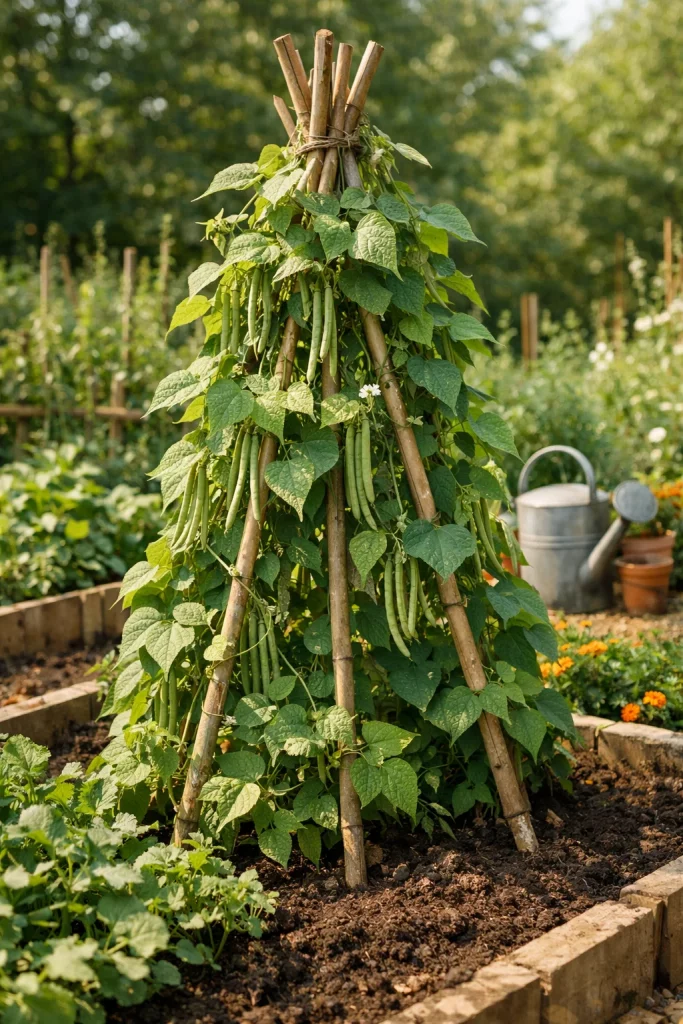
Among the most popular simple trellis ideas for garden vegetable plots, the classic bamboo A-frame or teepee trellis wins every time for its low cost and high function. Bundle 6–8 bamboo poles into a cone shape, lash them at the top with garden twine, and you have a perfect support structure for pole beans, cucumbers, peas, and even small-fruited squash.
Bamboo is naturally strong, lightweight, and biodegradable — making it a sustainable choice for eco-conscious gardeners. At the end of the season, simply untie the bundle and store the poles in a dry shed for next year. A bamboo teepee trellis also looks fantastic, giving your vegetable garden a charming, rustic aesthetic that photographs beautifully.
🌿Expert tip: Soak bamboo poles in water for 24 hours before setting them in the ground. This hydrates the bamboo and makes it more flexible when you’re lashing the poles together at the top.
If you’re looking to upgrade your space without overspending, check out these budget-friendly decor ideas for your living room
05- Arched Trellis Walkway — A Garden Statement Piece
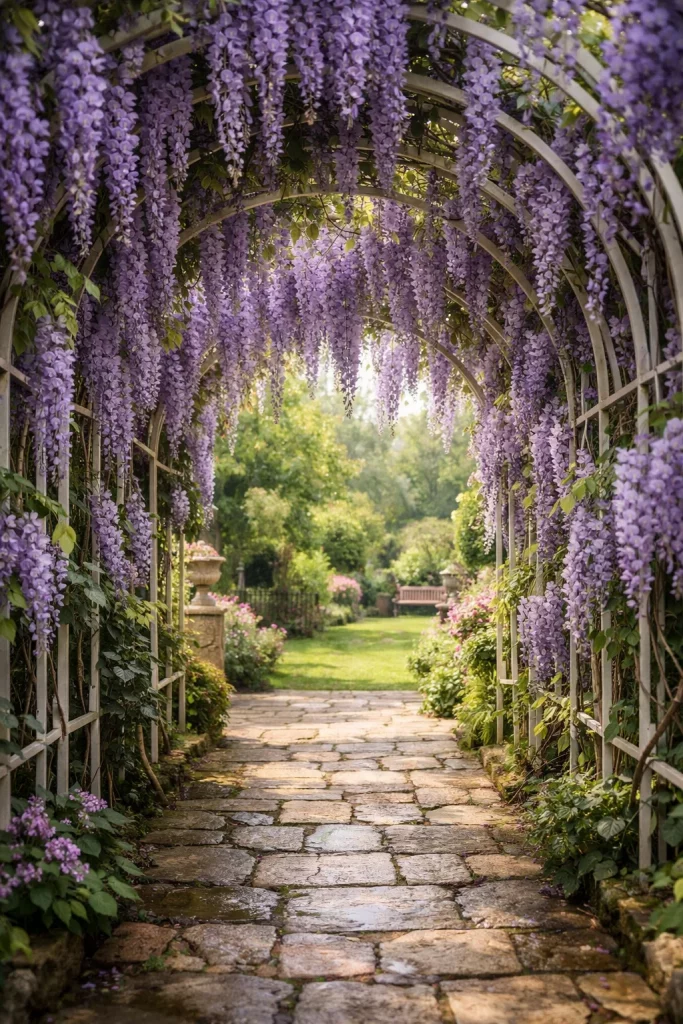
An arched trellis tunnel is one of the most dramatic and rewarding unique trellis ideas you can create. A series of arches spaced 3–4 feet apart along a garden path creates a shaded, flower-draped walkway that feels like stepping into a fairy tale. It works especially well with climbing roses, wisteria, and jasmine — plants that cascade beautifully from overhead structures.
While this is a more ambitious project, it’s surprisingly achievable with pre-made metal arch panels available at most garden centers. Set the arches in concrete footings for stability, connect them with horizontal rails, and plant climbing roses at every base. Within two to three seasons, you’ll have a living green tunnel that becomes the crown jewel of your outdoor space.
🌿Expert tip: Train your climbing plants outward along the arch ribs rather than letting them spiral around the uprights — this creates fuller, more even coverage and produces more flowers along the full length of the arch.
06- Wall-Mounted Wire Trellis System for Espalier Fruit Trees
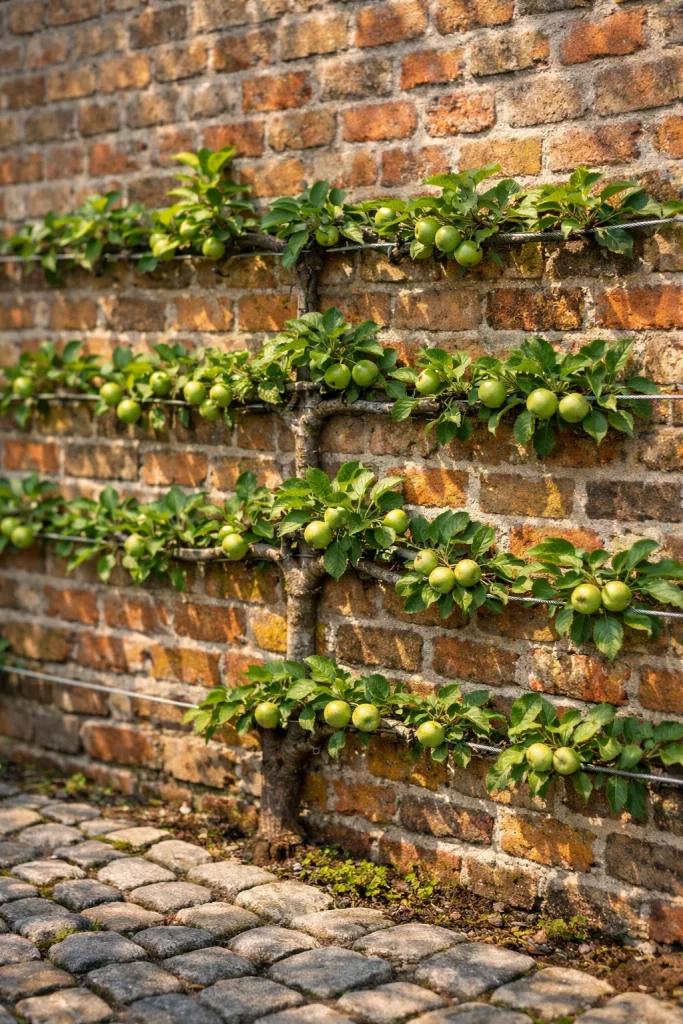
Espaliering — the art of training a fruit tree flat against a wall — is one of the most space-efficient and visually striking garden trellis ideas for climbing plants and trained trees. A horizontal wire trellis system, with stainless steel cables stretched between eye-bolts fixed into a masonry wall, gives apple, pear, and fig trees a clean, architectural support framework. In a small urban garden, this technique can produce full harvests from a tree that takes up almost no floor space.
Leave 8–10 inches between the wires and the wall surface so air can circulate freely — this prevents the moisture buildup that causes fungal disease. Prune espalier trees in late summer to maintain the flat form and encourage fruiting spurs along the horizontal branches. The result is both productive and strikingly beautiful year-round.
🌿Expert tip: Use 12–14 gauge stainless steel wire for espalier systems — it’s strong enough to bear the weight of mature fruit-laden branches without sagging, and it won’t rust or stain your wall.
07- Reclaimed Wood Diamond-Pattern Trellis
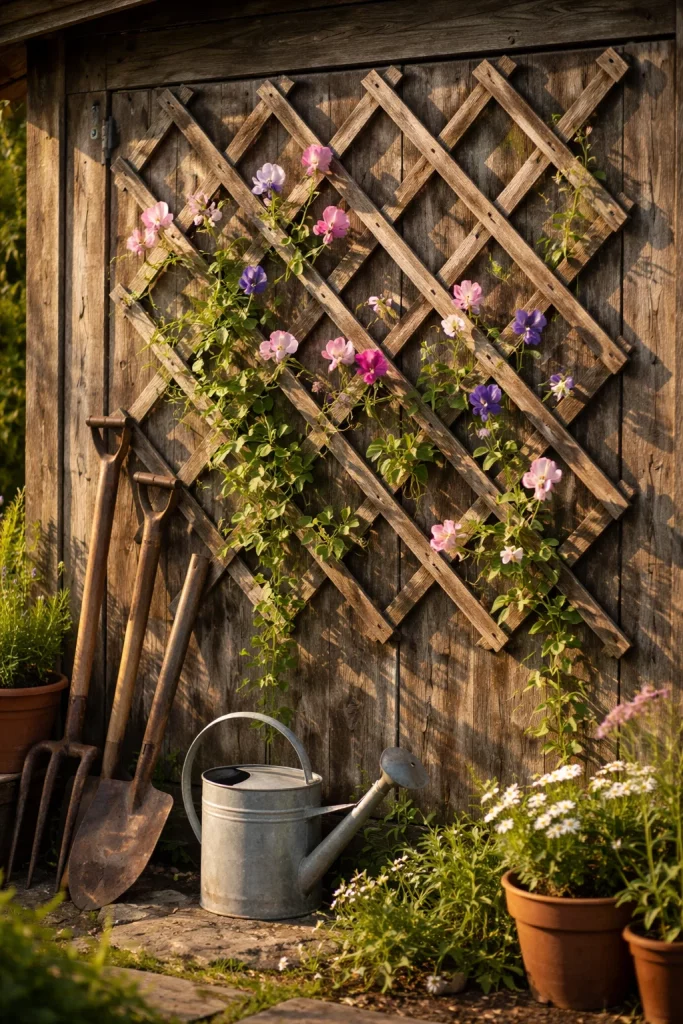
For a DIY project with serious visual impact, a diamond-pattern trellis built from reclaimed wood offers rustic charm and sustainability in one beautiful package. The diagonal lattice pattern gives this design a distinctive character that stands apart from standard square grids — it catches the eye and creates a sense of movement across the fence or wall surface. It’s one of the most popular garden trellis ideas pictures you’ll find circulating on Pinterest boards right now.
Source reclaimed fence boards or pallet wood from local salvage yards, cut them into uniform strips, and construct the diagonal grid with weatherproof screws. Seal the finished trellis with a natural wood oil to protect it from rain while preserving that beautiful aged-wood character. Plant climbing roses or sweet peas at the base for a cottage-garden look that feels totally personal and handmade.
🌿Expert tip: When working with reclaimed wood, inspect each board for protruding nails or staples before cutting. Run a metal detector along the boards — hidden fasteners can chip saw blades and create dangerous splinters.
08- Freestanding Trellis Screen as a Garden Room Divider
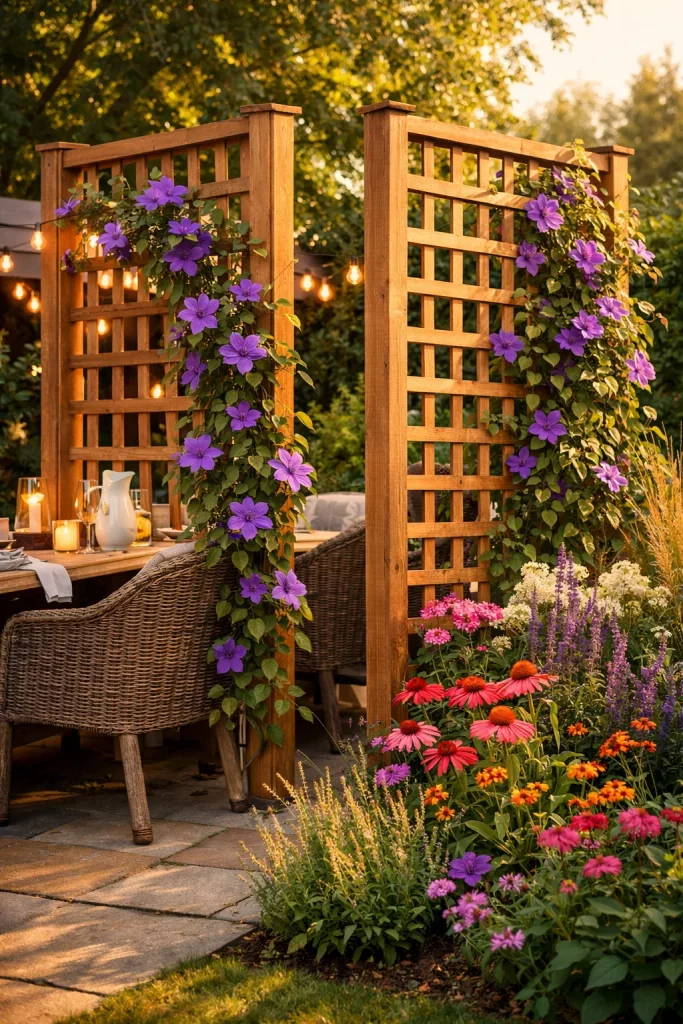
Creating separate “rooms” within a garden is a classic design principle — and a freestanding trellis screen is the perfect tool for the job. Place a pair of tall trellis panels to define the boundary between a dining area and a planting border, or use one to screen an unsightly compost corner from the main lawn. This approach gives structure to open spaces without the permanence of a wall or solid fence.
Freestanding trellis screens look especially stunning when used as a backdrop for outdoor seating — essentially creating an outdoor living room with a beautiful green feature wall. Choose a screen wide enough (at least 6 feet) to make a real visual impact, and plant climbing plants on both sides so the structure looks intentional from every angle. This is one of the top trellis ideas for garden outdoor entertaining areas.
🌿Expert tip: Anchor freestanding trellis screens with steel ground spikes driven 18 inches into the soil — much more stable than surface-mounted feet in windy locations, and easy to remove if you want to rearrange your garden layout.
09- Decorative Iron Trellis for the Front of the House
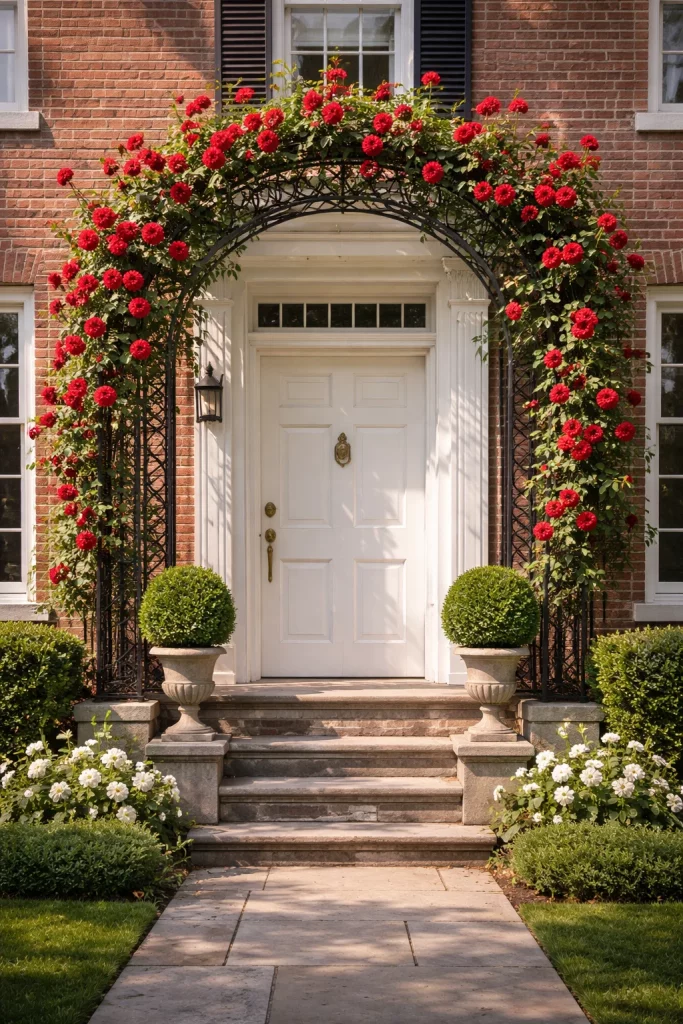
First impressions matter — and a beautiful iron trellis flanking your front door or framing a window is one of the most elegant trellis ideas for front of house curb appeal. Ornamental wrought iron or cast aluminum trellis panels come in scrolled, Victorian, and Art Nouveau styles that complement traditional architecture beautifully. Mount them on either side of the main entrance and train climbing roses or honeysuckle upward to frame the doorway with fragrance and color.
Unlike interior decoration, outdoor iron trellises need protection from the elements. Make sure any iron trellis you install has a quality powder coat or has been galvanized, and touch up scratches promptly to prevent rust. With proper care, a quality iron trellis can last decades and actually improves visually with age as climbing plants mature and fill it in.
🌿Expert tip: For front-of-house trellises, choose fragrant climbing plants like honeysuckle or ‘New Dawn’ rose — you want guests to smell the garden before they even reach the door.
10- Copper Pipe Trellis — An Unexpected Modern Classic
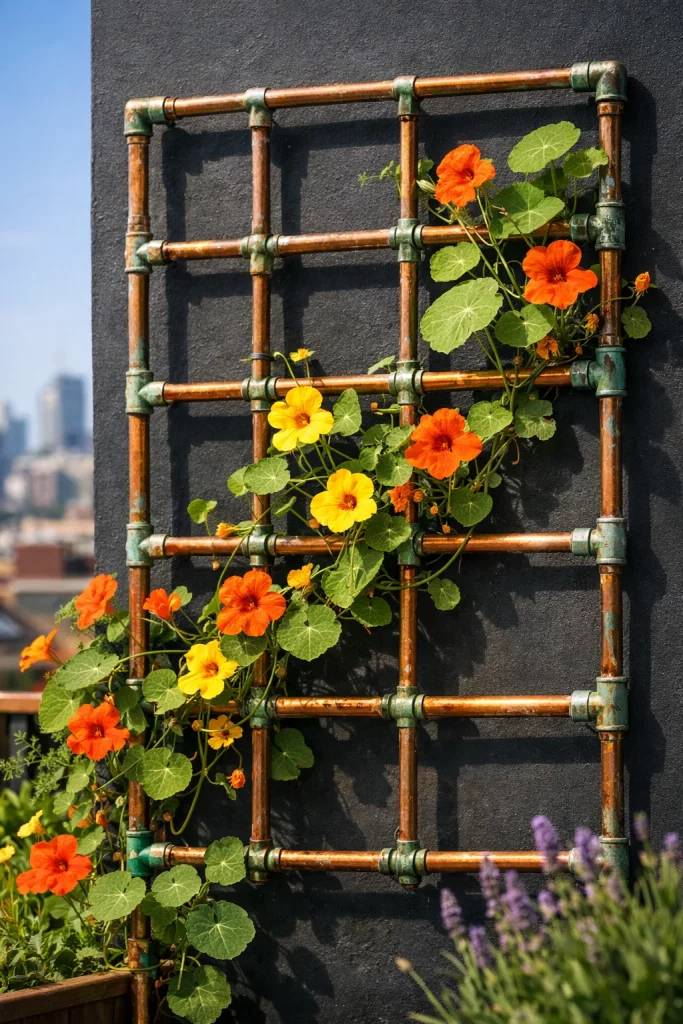
Here’s one of those unique trellis ideas that stops visitors in their tracks: a trellis constructed from standard copper plumbing pipe. Copper pipe is easy to cut, bend, and solder into geometric shapes, and its warm rosy-gold tone weathers beautifully to a rich verdigris patina over several seasons. A geometric copper trellis — whether a simple grid or an elaborate Art Deco-inspired pattern — becomes a true garden art piece.
Use copper compression fittings (no soldering required!) to build a modular grid that you can reconfigure each season. Copper is also naturally antimicrobial, which means it resists the algae and mold that tends to grow on wood trellises in humid climates. A copper trellis with a trailing nasturtium or small-leaved ivy threading through it looks particularly spectacular.
🌿Expert tip: Don’t seal or lacquer your copper trellis — let it patina naturally. The green verdigris that develops actually bonds to the copper surface and protects it, similar to how the Statue of Liberty stays intact after more than a century outdoors.
These trellis styles are just the beginning — there are plenty of other unique designs that can completely change the look of your garden. “Unbelievable 15 Garden Trellis Ideas for Climbing Plants“
11- Painted Trellis with Bold Color for Garden Focal Points
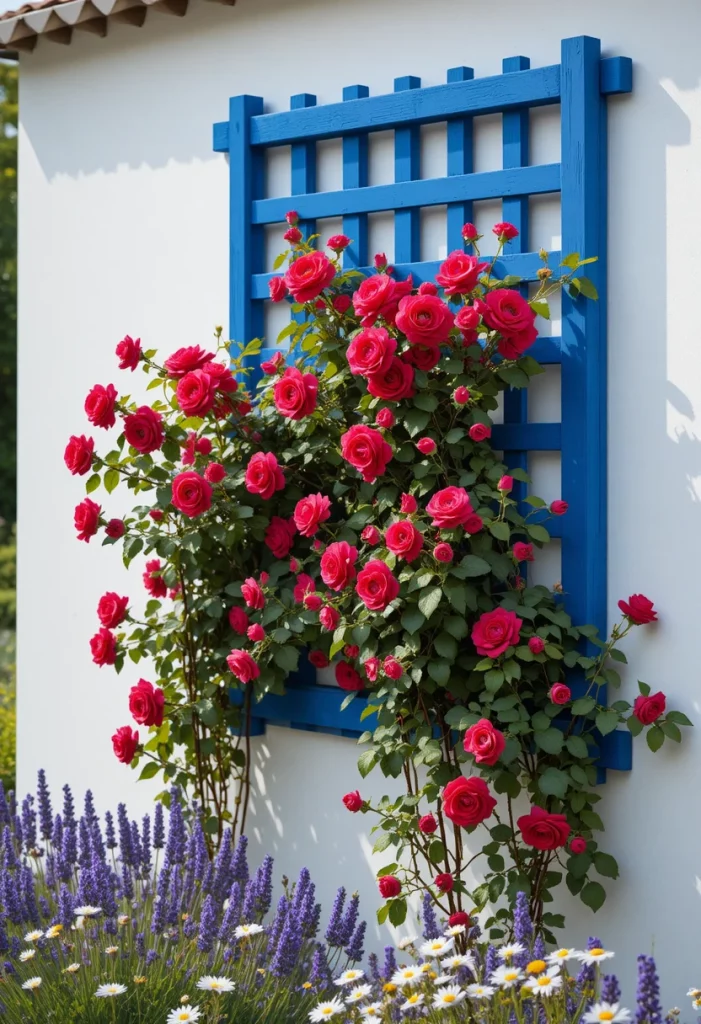
Most gardeners default to natural wood tones or black metal — but painting your trellis in a bold, unexpected color is one of the easiest ways to make your garden feel designed rather than assembled. Deep cobalt blue, sage green, burnt orange, or even a striking canary yellow trellis creates an immediate focal point that gives your planting scheme something to “anchor” to. This works especially well in cottage-style and eclectic gardens.
A painted wooden trellis also has a practical advantage: the paint layer seals the wood from moisture, significantly extending its lifespan. Use an exterior-grade paint for any garden trellis, and choose a semi-gloss or satin finish — easier to wipe clean and more resistant to mildew than flat paint. This is a budget-friendly update that completely transforms the feel of a fence or garden wall.
🌿Expert tip: Use a contrasting climbing plant color for maximum visual impact — a cobalt blue trellis with orange-red climbing roses is a classic color wheel complement that looks stunning in photographs.
12- Rope and Driftwood Coastal Trellis
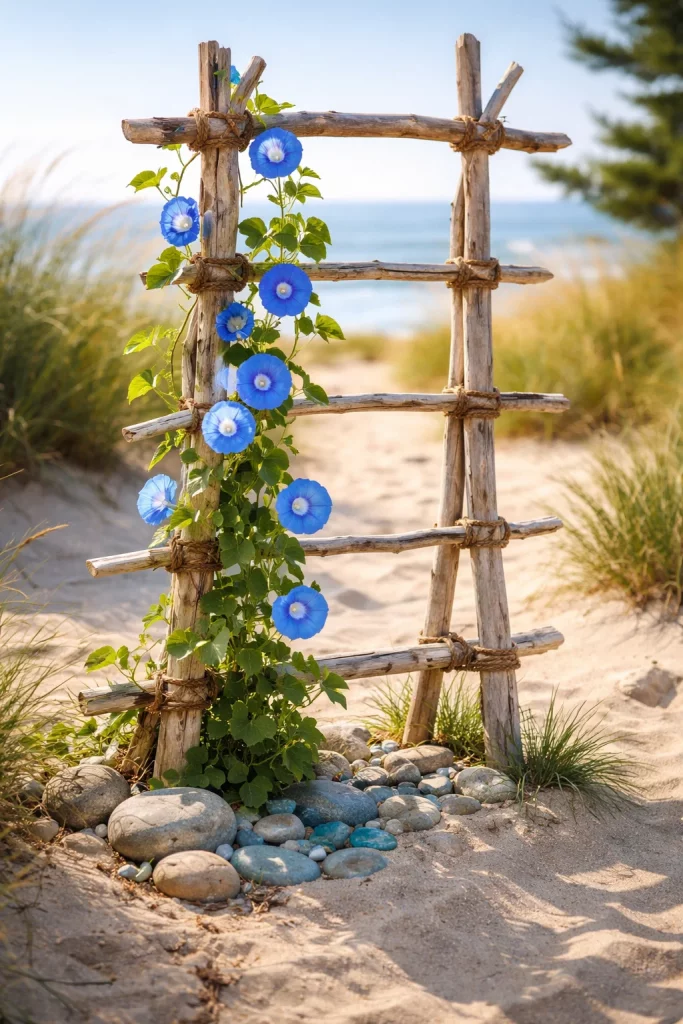
For beachfront properties, coastal gardens, or anyone who loves a nautical-meets-natural aesthetic, a trellis made from driftwood branches and thick natural rope is both gorgeous and beautifully original. Collect or source driftwood poles in varying widths, bind them together with thick jute or sisal rope using decorative nautical knots, and you have a one-of-a-kind trellis that looks like it washed up from the sea.
This style works beautifully in front yard gardens near the coast, where salt air would quickly corrode metal and weather painted wood. Natural rope and driftwood are inherently salt-resistant and improve aesthetically as they age and bleach in the sun. Plant coastal-tolerant climbers like morning glory, beach rose (Rosa rugosa), or climbing ice plant for a look that feels completely indigenous to its setting.
🌿Expert tip: Seal your jute or sisal rope with a diluted beeswax solution to extend its outdoor lifespan significantly. Natural ropes can degrade within one season if left untreated in wet climates — a quick wax treatment can triple their durability.
13- Pergola-Style Overhead Trellis for Patio Coverage
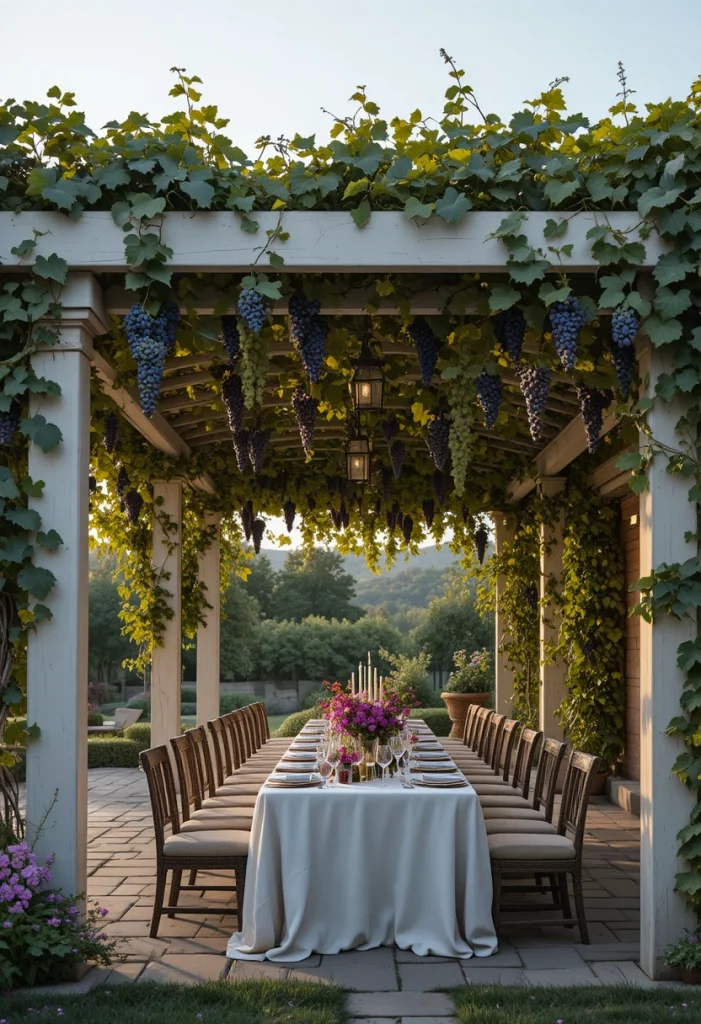
A pergola is essentially an overhead trellis — and it represents one of the ultimate expressions of vertical garden design. By bringing the trellis structure overhead rather than keeping it vertical, you create a true outdoor room with dappled light filtering through a canopy of climbing plants. Wisteria, grapevines, and climbing roses are all classic choices for pergola coverage, each creating a different mood and seasonal interest.
Even a modest 10×12 foot pergola over a patio seating area dramatically changes how the space feels and is used. It provides partial shade, reduces glare on screens and outdoor TVs, and gives climbing plants the overhead structure they crave. For small gardens, a lean-to pergola attached to the house wall is a particularly efficient design that maximizes every square foot. This is easily one of the garden trellis ideas — 10 of the best contenders for total garden transformation.
🌿Expert tip: Before building a pergola in the US, check your local building permit requirements. In most areas, structures over 200 square feet or attached to the house require a permit — skipping this step can cause problems when selling your home.
14- Tension Wire Vertical Garden Wall for Modern Homes
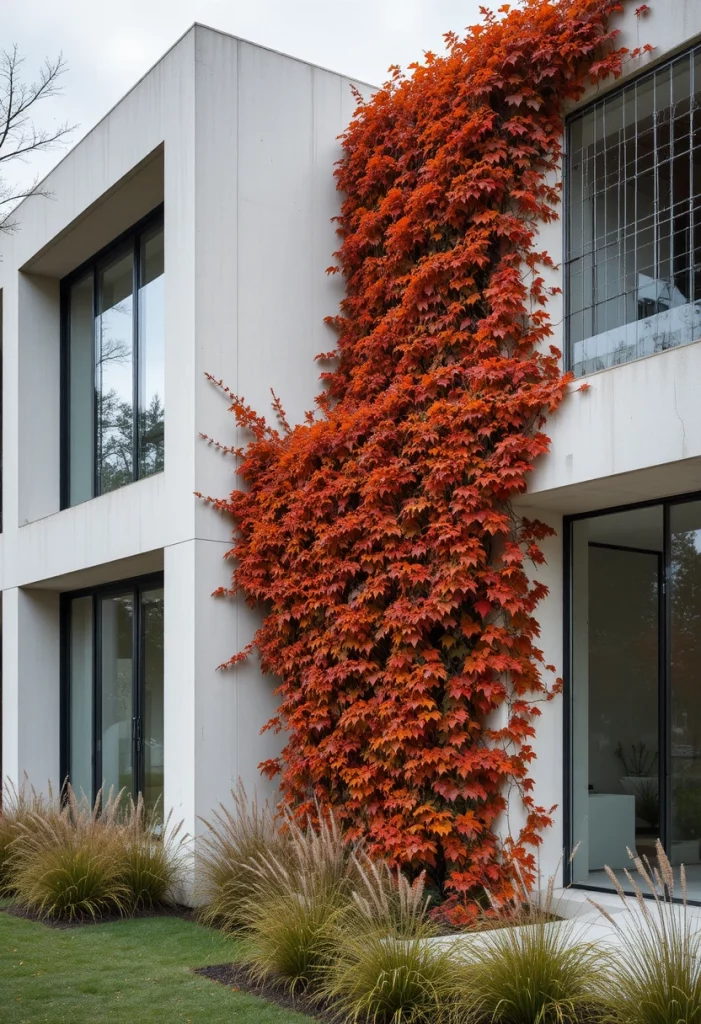
For homeowners with contemporary architecture, stainless steel tension wire systems offer one of the most elegant and low-profile modern trellis ideas available. Vertical stainless cables are tensioned between a top rail and a base plate, creating an almost invisible support structure that lets the climbing plants themselves become the visual feature rather than the trellis framework. The result feels like plants growing straight up the wall without visible support — a genuinely spectacular effect.
This system works beautifully on modern concrete, glass, and steel facades where chunky wooden trellises would look jarring. Climbing plants like Boston ivy (Parthenocissus tricuspidata) and climbing hydrangea are particularly well-suited — they grip the cables with their tendrils and create a seamless living wall effect. Tension wire systems are also the most durable option available, with 316-grade marine stainless steel rated for 50+ years of outdoor use.
🌿Expert tip: Set tension wire cables no more than 12 inches apart for most climbing plant species. Wider spacing means fewer anchor points for tendrils, which leads to uneven coverage and plants that sag between cables.
15- PVC Pipe Trellis — The Ultimate Budget DIY
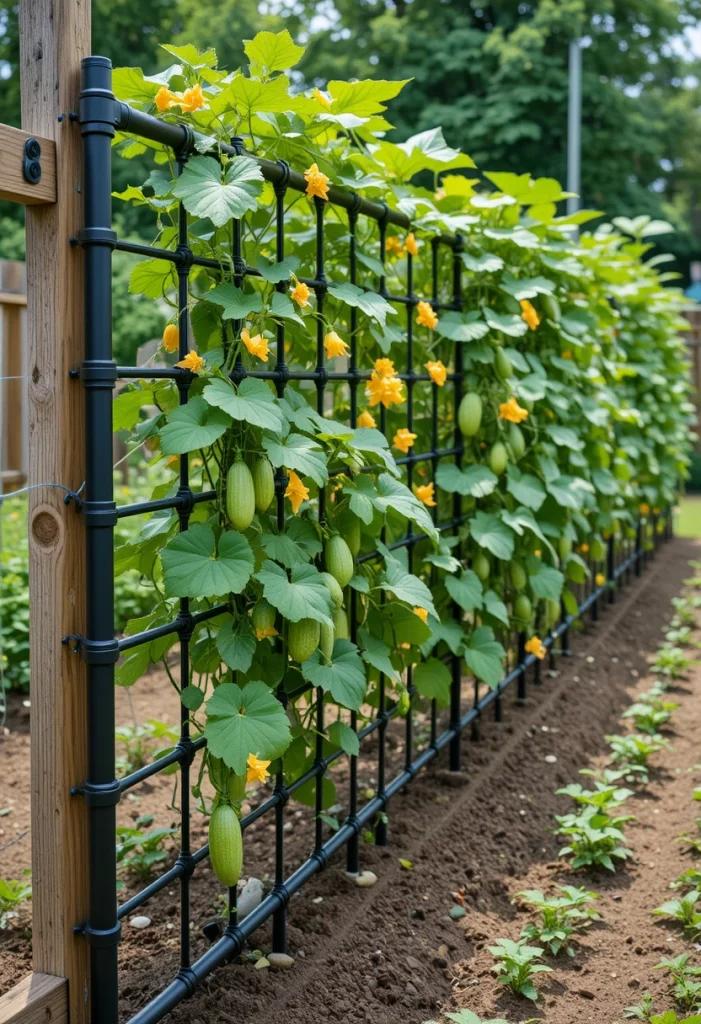
For gardeners who want maximum function on a minimum budget, a trellis built from PVC pipe and fittings delivers surprising results at very low cost. PVC is lightweight, rot-proof, UV-resistant, and easy to cut with a hacksaw — making it perfect for first-time DIYers. A simple A-frame trellis for cucumber and squash, or a flat grid panel for growing sweet peas along a fence, can be assembled in an afternoon for under $20.
To improve the look of a PVC trellis, spray-paint it with a Rust-Oleum plastic primer followed by a garden-appropriate color — flat green blends into the foliage almost invisibly, while matte black gives it a clean modern look. Thread irrigation drip lines through PVC trellis uprights for a clever dual-purpose structure that both supports your plants and waters them at the root. This is truly one of the most practical DIY garden trellis ideas for small gardens on tight budgets.
🌿Expert tip: Use Schedule 40 PVC (gray plumbing pipe) rather than thin-wall PVC conduit for garden trellises. It’s stronger, handles temperature swings without cracking, and is inexpensive at any home improvement store.
🌿 Your Garden’s Next Chapter Starts Here
Whether you start with a simple bamboo teepee for your tomatoes or commit to a full copper-pipe art installation, adding a trellis to your garden is one of the most rewarding projects you can take on. These structures support your plants, define your spaces, and transform the vertical dimension of your garden into something truly beautiful. Pick one idea that speaks to you — and start climbing.
❓ Frequently Asked Questions
What is the best material for a garden trellis?
The best material depends on your garden style and climate. Cedar and redwood are the top wooden trellis choices for their natural rot-resistance. For longevity, powder-coated steel or 316 stainless steel wire systems last 30–50 years with minimal maintenance. Bamboo is an excellent budget-friendly and eco-friendly option for vegetable gardens, typically lasting 3–5 seasons with proper care.
Which climbing plants are best for a garden trellis?
The most popular garden trellis climbing plants in the US are climbing roses, clematis, wisteria, honeysuckle, jasmine, and English ivy. For vegetable gardens, cucumbers, pole beans, peas, and small squash varieties are perfect trellis crops. Choose plants suited to your hardiness zone, and match the plant’s vigor to the strength of your trellis structure.
How do I build a simple DIY trellis for my garden?
The simplest DIY garden trellis is a bamboo teepee — bundle 6 poles, push them into the soil in a circle, lash the tops together with garden twine, and you’re done. For a flat panel trellis, screw a grid of wooden furring strips to a backing frame and mount it to your fence. Both projects cost under $30 and can be completed in under two hours.
How tall should a garden trellis be for privacy?
For effective garden privacy, a trellis should reach at least 6 feet tall when seated (eye level while sitting on a patio) or 8 feet tall for standing privacy from neighbors. When adding a trellis extension to an existing 4-foot fence, a 2–3 foot lattice topper brings you into the privacy range. Pair with fast-growing evergreen climbers for year-round screening.
Can I use a trellis at the front of my house?
Absolutely — trellis ideas for the front of the house are some of the most impactful curb appeal upgrades you can make. Wrought iron or ornamental aluminum trellis panels flanking the front door, or a lattice trellis along the front fence line covered in climbing roses, can significantly improve a home’s visual appeal and even its market value. Always choose durable, weather-resistant materials for front-facing locations.